
Get Best Electronics Items
Lowest Price
$59
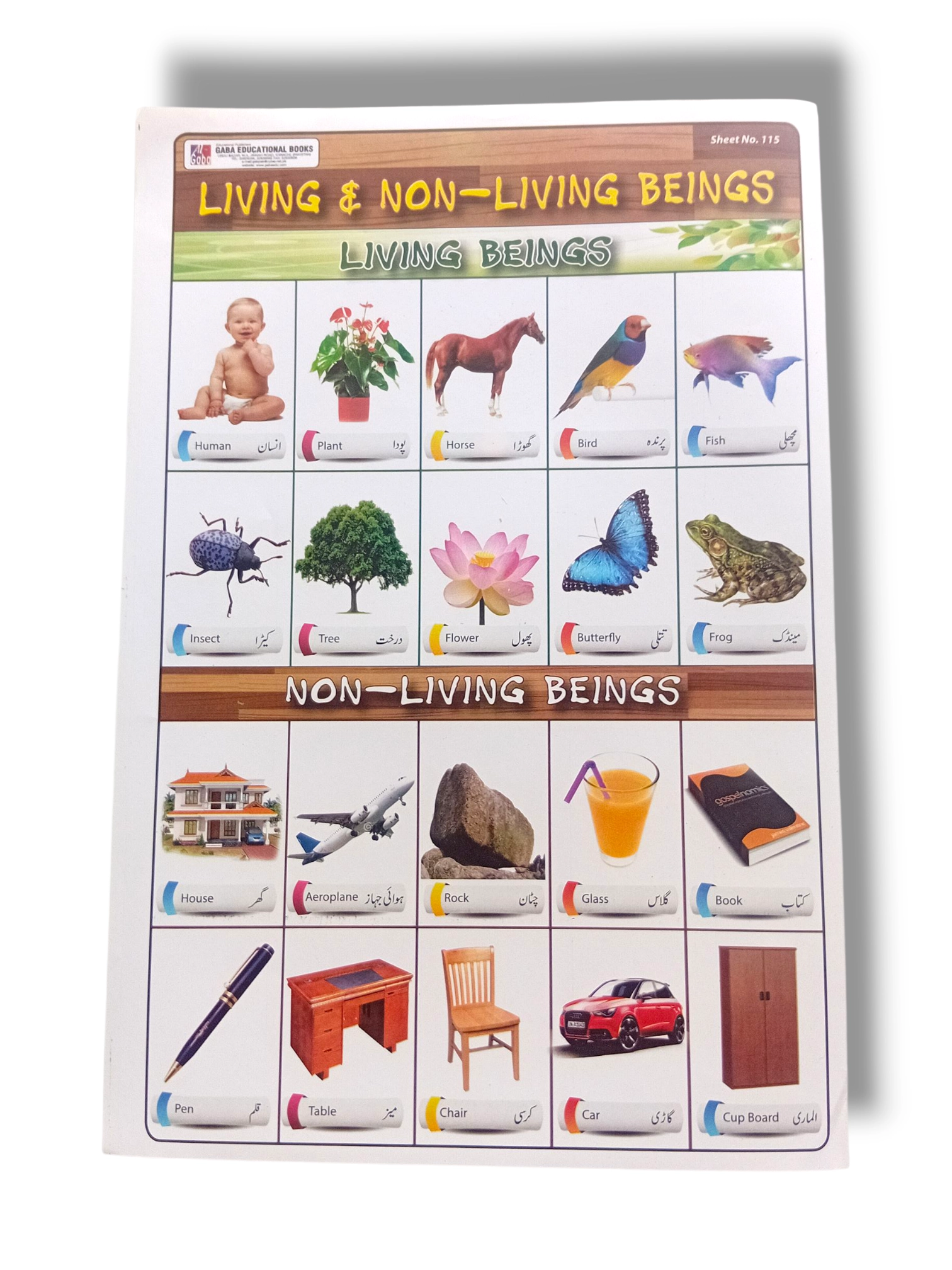
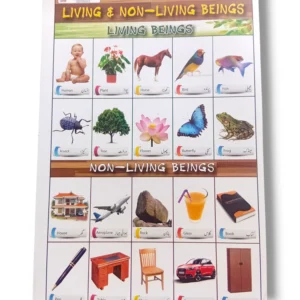
Living & Non-Living Beings Chart – Educational Science Learning Poster
The Living & Non-Living Beings Chart helps children easily understand the difference between living and non-living things through clear illustrations and simple labeling. Perfect for science classrooms, tuition centers, and home learning.
- Estimated Delivery : Up to 4 business days
- Free Shipping & Returns : On all orders over Rs 3000
Overview of the Living & Non-Living Beings Chart
The Living & Non-Living Beings Chart is an essential educational poster designed to help students understand one of the most fundamental concepts in science. With easy-to-recognize images and clear categories, the chart visually explains what makes something living and what places it in the non-living category.
This poster is ideal for young learners who are beginning to explore basic biology and environmental studies. Its bright illustrations and simple layout make the topic engaging and easy to grasp.
Key Features and Benefits
Clear Visual Explanation
-
Attractive illustrations showing examples of living beings such as plants, animals, and humans.
-
Clear visuals of non-living things like rocks, toys, vehicles, and furniture.
-
Easy-to-read labels to help students understand and classify objects.
-
Durable print quality suitable for long-term educational use.
-
Designed for early grade levels, including preschool and primary school.
Supports Science and Observation Skills
The Living & Non-Living Beings Chart helps students identify the key characteristics of living things—such as movement, growth, breathing, reproduction, and response to the environment.
At the same time, it teaches how non-living objects differ, making lessons more interactive and meaningful. The chart strengthens observation skills, critical thinking, and science vocabulary.
Educational Importance of the Chart
Teachers and parents find this chart incredibly useful for explaining complex ideas in simple terms. Students can visually categorize objects, making it easier for them to remember definitions and real-life examples.
The Living & Non-Living Beings Chart is often used during science lessons, activity time, or concept reinforcement sessions. It helps learners understand the natural world and scientific classification through images rather than only text.
Usage Ideas and Applications
Ideal for Various Learning Environments
-
Classrooms: Great for science walls, early biology lessons, and concept-based teaching.
-
Home Learning: A perfect addition to study rooms for visual learners.
-
Tuition Centers: Helps tutors explain science concepts interactively.
-
Libraries & Activity Rooms: Adds value to educational spaces with informative design.
Conclusion
The Living & Non-Living Beings Chart is a valuable learning tool for young students beginning their science journey. With its simple illustrations and effective categorization, it makes understanding the world around us easier and more enjoyable.
Add this chart to your learning space today and simplify science for children!
 Shauq Urdu Grammar 1 – Basic Urdu Grammar & Language Learning Book
  Spark History 7 English Medium Textbook for Class 7 Students
  Tuhfa Muhammadia – Comprehensive Guide on Islamic Teachings and Life
  Gohar Roots Plus Urdu Prep – Fun Urdu Learning Book for Nursery Kids
 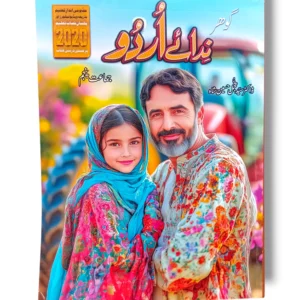 Gohar Urdu 5 – Comprehensive Urdu Textbook for Grade 5 by Gohar Publishers
 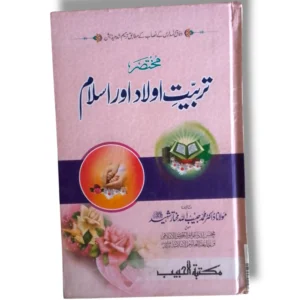 Tarbiyat Aulad or Islam – Comprehensive Guide to Islamic Child Rearing
 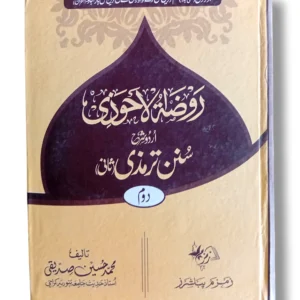 Rozat ul Ahozi Sharah Sunan (Jild 2) – Urdu Hadith Commentary Book
 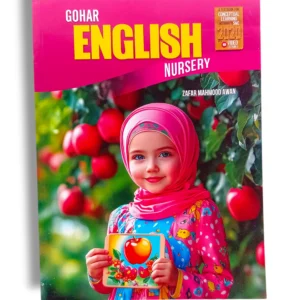 Gohar English Nursery – Creative Early Learning for Growing Minds
  Aasar ul Sanan – Comprehensive Islamic Guide for Scholars & Students
  Gohar Roots Plus Urdu Likhen Aur Rang Bharen Book for Playgroup Kids
  KPK Sehat wa Jasmani Taleem 11 – Physical Education Textbook for Grade 11
  APS Nazra e Quran 1 – Urdu Beginner Quran Reading Book for Kids
 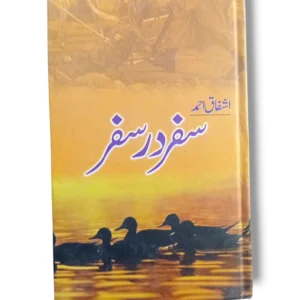 Safar Dar Safar – Engaging Urdu Travelogue & Personal Journey Stories
 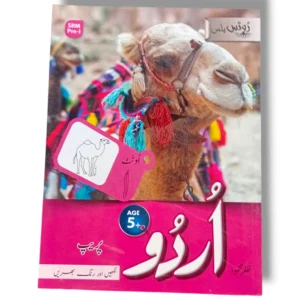 Gohar Roots Plus Urdu Likhen or Rang Bharen Prep Workbook for Kids
 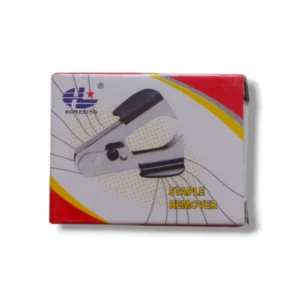 Home Sing Staple Remover H-856 – Efficient Office & Home Tool
 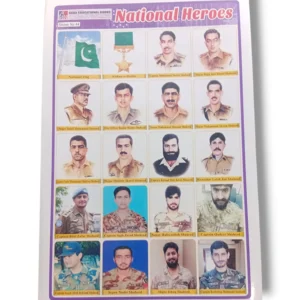 National Heroes Chart 44 – Educational History Chart for Kids & Schools